Cute Star: A Decorative Font for Modern Creativity
Finding the right typeface can feel like searching for a missing puzzle piece. It needs to fit the project's tone, connect with the audience, and serve a practical purpose. Cute Star is a decorative font that steps into this space with a distinct personality. It’s not a workhorse serif font for long-form reading or a minimalist sans serif font for corporate reports. Instead, Cute Star is a creative font designed for moments that call for charm, approachability, and a touch of handcrafted warmth. Think of it as the typographic equivalent of a friendly smile or a well-chosen accent color.
The Personality and Visual Style of Cute Star
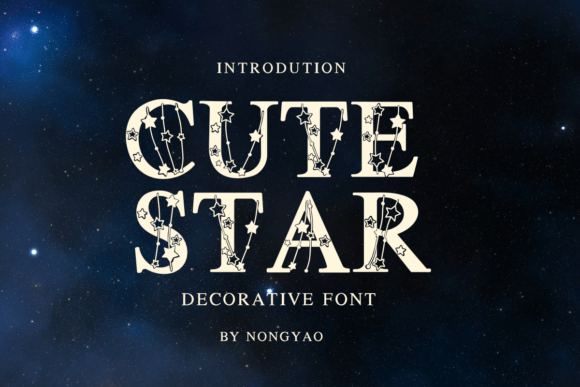
At its core, Cute Star is a display font with a handwritten font feel. Its letters have a gentle, rounded quality, often featuring soft curves and slightly uneven baselines that mimic natural handwriting. This isn't a rigid, geometric typeface. The visual character comes from its playful imperfections and organic flow. The overall appeal lies in its ability to feel personal and inviting without sacrificing clarity at typical display sizes. It balances whimsy with readability, making it versatile for its intended applications. The design avoids overly complex swashes or ligatures, which helps maintain its friendly and accessible vibe across different uses.
Where Cute Star Truly Shines: Practical Applications
The strength of a premium font like Cute Star lies in knowing where its personality amplifies a message. It excels in projects where you want to establish a direct, personal connection with the viewer. For entrepreneurs and small business owners, this commercial font can be a secret weapon for building a relatable brand identity. Consider using it for logo design for a boutique bakery, a children's activity center, or a handmade jewelry line. The font immediately communicates a sense of care, creativity, and approachability that aligns with these brands.
For marketers and content creators, Cute Star is ideal for social media graphics that need to stop the scroll. It works beautifully for quote images, promotional announcements for sales or events, and Instagram story headers. Its distinct style helps create visual hierarchy, guiding the viewer's eye to the most important message. In editorial design, think beyond the main body text. Use Cute Star for pull quotes, section headers in a lifestyle magazine, or chapter titles in a light-hearted recipe book. It adds a layer of visual interest and personality that a standard sans serif font might lack.
The applications extend far into the physical world. For crafters and hobbyists, Cute Star is perfect for designing greeting cards, scrapbook elements, and personalized stationery. Its handwritten quality makes digital creations feel tangible and heartfelt. For product-based businesses, explore its use in packaging design for artisanal goods, on hang tags for clothing, or printed directly onto mugs and shirts. The font's charm translates effectively to print, adding value to the unboxing experience.
Making Cute Star Work for You: A Practical Guide
Choosing any font, including a creative font like Cute Star, requires a strategic approach. Start by evaluating your project's core goal. Is it to evoke nostalgia, fun, or a DIY spirit? If the answer is yes, Cute Star is a strong candidate. If the project demands authority, high-tech precision, or ultra-formal elegance, a different typeface would be more appropriate.
Next, consider font pairing. Cute Star is a display font, meaning it's designed for headlines and short bursts of text. Pairing it with a neutral, highly readable serif font or sans serif font for body copy is essential. For example, you could use Cute Star for a website's main heading and pair it with a clean sans serif like Lato or Open Sans for the paragraphs. This creates a clear visual hierarchy where the decorative font attracts attention, and the companion font ensures the content is easy to digest. Test various combinations to see which one supports your message without competing for attention.
Always review the specific styles and glyphs included with the font family. Does it come with alternates or a set of stylistic characters? Understanding these design assets allows you to customize your text further and avoid a generic look. For web use, pay close attention to readability considerations. Test the font at different sizes on various screens. While it's not meant for body text, ensure your chosen heading size remains clear on both desktop and mobile devices.
Finally, clarify the licensing. If you're using Cute Star for a client project, merchandise, or any commercial venture, ensure you have the correct commercial font license. Most premium fonts have different license tiers for personal, desktop, web, and app use. Respecting these terms is a fundamental part of professional modern typography practice and protects both you and your client.
Enhancing Brand Perception and Audience Engagement
The fonts you choose are silent ambassadors for your brand. They influence how your audience perceives your brand identity before they even read a word. Using a typeface like Cute Star consistently across your web design, marketing materials, and product packaging can foster strong brand recognition. It tells a story of creativity and attention to detail, which can build trust and affinity with your target audience.
For bloggers and publishers, a consistent typographic style contributes to a professional and polished appearance. It shows that you've thoughtfully curated every aspect of your reader's experience. When a visitor sees the same charming, recognizable font used in your blog headers, newsletter graphics, and promotional materials, it creates a cohesive world that feels intentional and welcoming. This consistency is a subtle but powerful form of professionalism.
In the end, a font is a tool. Cute Star is a specialized tool designed to inject personality and warmth into specific projects. By understanding its strengths, pairing it wisely, and applying it with purpose, you can leverage this decorative font to create more engaging, memorable, and effective designs that resonate with people on a human level. It’s about choosing the right voice for your visual conversation.